Our Madagascar guide stated one of the names of the Ring-tailed Lemurs was “King Julian”. A fellow tourist asked “why?” Our guide responded “because of the Madagascar movie.” Apparently, the lead Ring-tailed Lemurs in the movie is named “King Julian”. I didn’t know that either. I never saw the movie, so I watch it. The movie did motive a large increase in tourism in Madagascar after it was released, similar to “Crocodile DunDee” in Australia and the Hobbit series in New Zealand.
The movie was entertaining. If you were planning to visit Madagascar, I’d recommend it, especially for the animated lemurs. But it really wasn’t that realistic. The lion in the movie would have eaten the zebra in the movie in real life tbh.
Showing posts with label Madagascar. Show all posts
Showing posts with label Madagascar. Show all posts
June 25, 2019

June 21, 2019
Royal Hill of Ambohimanga
Ambohimanga is a hill and traditional fortified royal settlement (rova) in Madagascar, located approximately 24 kilometers (15 mi) northeast of the capital city of Antananarivo. The hill and its royal fortified city were added to the list of UNESCO World Heritage Sites in 2001.
The site wasn't all that spectacular, but the interesting to see the type of influence the European had on the Malagasies early on.


The site wasn't all that spectacular, but the interesting to see the type of influence the European had on the Malagasies early on.


June 20, 2019
Lemur Park, Antananarivo
Viewing habituated Lemurs in a eco-park isn't like viewing them in the wild. However, looking them in the eye and viewing their human-like mannerism up close was totally worth the visit.


Sifakas


Bamboo Lemur


Black and White Ruffled or "Panda" Lemur


Ringtail Lemur
June 19, 2019
Reniala Spiny Forest Reserve Visit
Reniala, which quite fittingly means baobab in Malagasy, is a 60 hectare protected reserve very well known for its spiny forest and the spectacular baobab trees within it, some that are said to be over 1200 years old. There is an incredible display of flora amongst the spiny forest that is endemic to Madagascar, adding an extra element of uniqueness to the reserve as about 90% of the plans can only be found in Madagascar.


I got to drive a "Zebu Car"!!


June 18, 2019
Madagascar Food

Romazava Stew - Madagascar National Dish**

Ravitoto - Cassava Leaves and Zebu, served with Rice

"Street" Noodle Soup

Somosa

Zebu Tongue

Nicoise Salad

Spaghetti Bolognese
**From Bradt’s Travel Guide Madagascar
“A key ingredient to Madagascar’s national dish of romazava is brèdes mafana, literally ‘hot grass’. It has one of the most extraordinary flavours you are ever likely to taste. Eating this small plant–nature’s answer to popping candy–has been likened to the experience of sticking your tongue on the terminals of a battery then injecting your gums with local anaesthetic. Known to botanists as Acmella oleracea, its leaves and flower buds are used both fresh and dried. Brèdes mafana is a feature of Indian Ocean cuisine and can be found across Madagascar. You may have come across it if you have spent time in South America (especially in Peru and Brazil, where it’s called jambu) or southeast Asia, but it is little known in the northern hemisphere. The Malagasy call it anamalaho, kimotodoha or kimalao. Around the world, brèdes mafana has acquired some odd names, including paracress, toothache plant, spotflower, xux (the local word for wasps in Yucatán) and quemadera (meaning ‘burning’ in Colombia); the buds have been called electric buttons, buzz buttons, Szechuan buttons and sansho buttons.
What makes this food so unusual? All parts of the plant are packed with a fatty acid amide called spilanthol–most concentrated in the daisy-like flower buds (the buds may or may not be included in romazava, according to the chef’s taste). The effect of spilanthol on the diner varies from individual to individual, but typically the initial burst of fresh leafy flavour gives way to a slightly citrus aftertaste, then come the oral fireworks: a mixture of tingling, effervescence, chills and numbing, generally accompanied by a mouth-watering sensation–spilanthol induces excessive saliva production by affecting the oral nerve pathways.”
Scuba Diving, Mangily, Madagascar


Nudibranch

Moorish Idol

Squirrelfish

Scorpion Leaf Fish

Cabbage Coral

Butterfly Fish

The dive master said these are "serrated knife fish", but I google the name and can't locate an identification. Update: Apparently they are "razor fish" or aeoliscus strigatus.
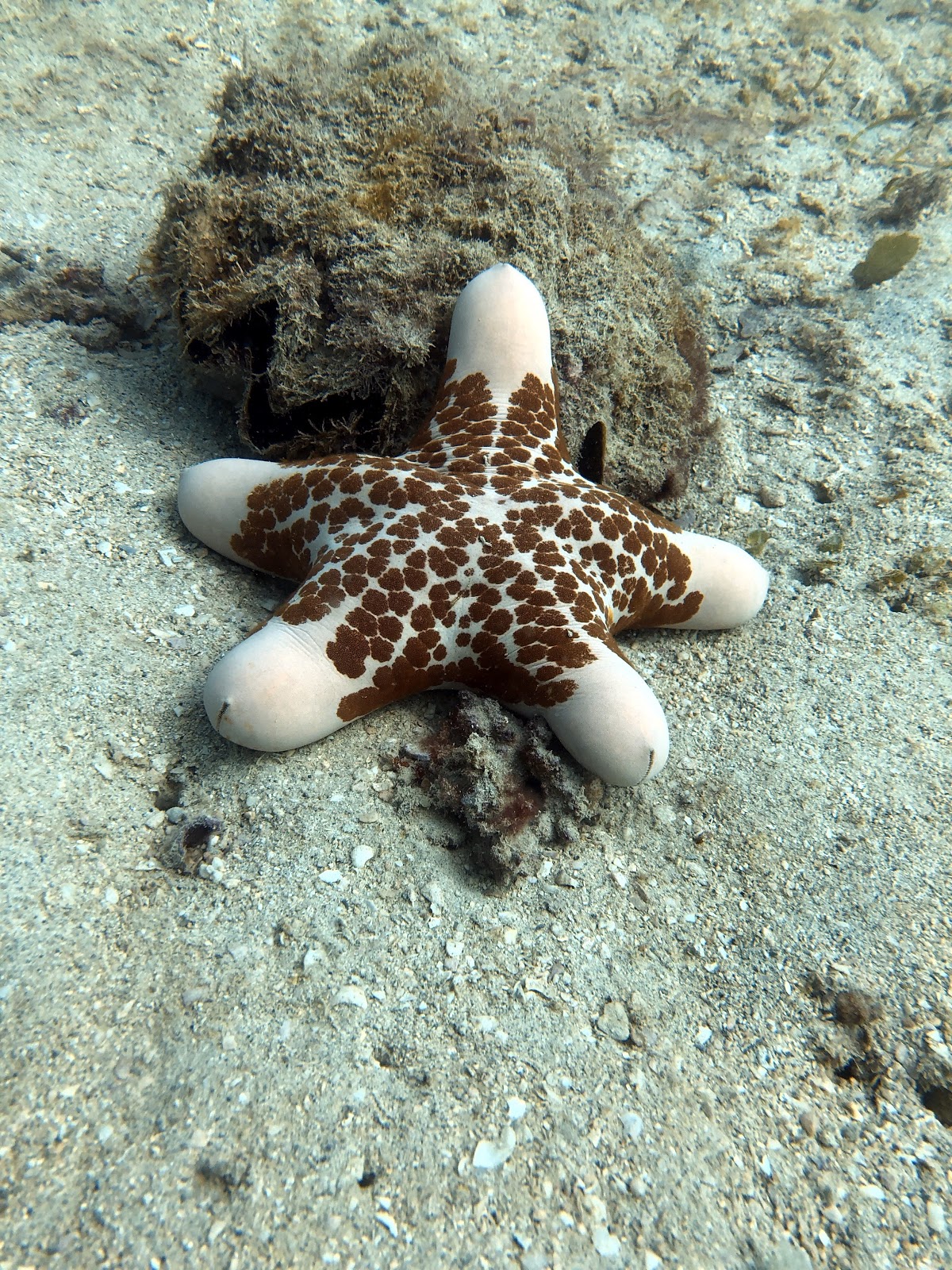
Starfish

Thornback Cowfish

June 16, 2019
Isalo National Park
Spend a full day exploring Isalo National Park on foot, stopping at a natural swimming pool and waterfalls. It the third largest national park in Madagascar and the most visited.


Lizard

Silkworm Cocoon

Cicada

Subscribe to:
Posts (Atom)